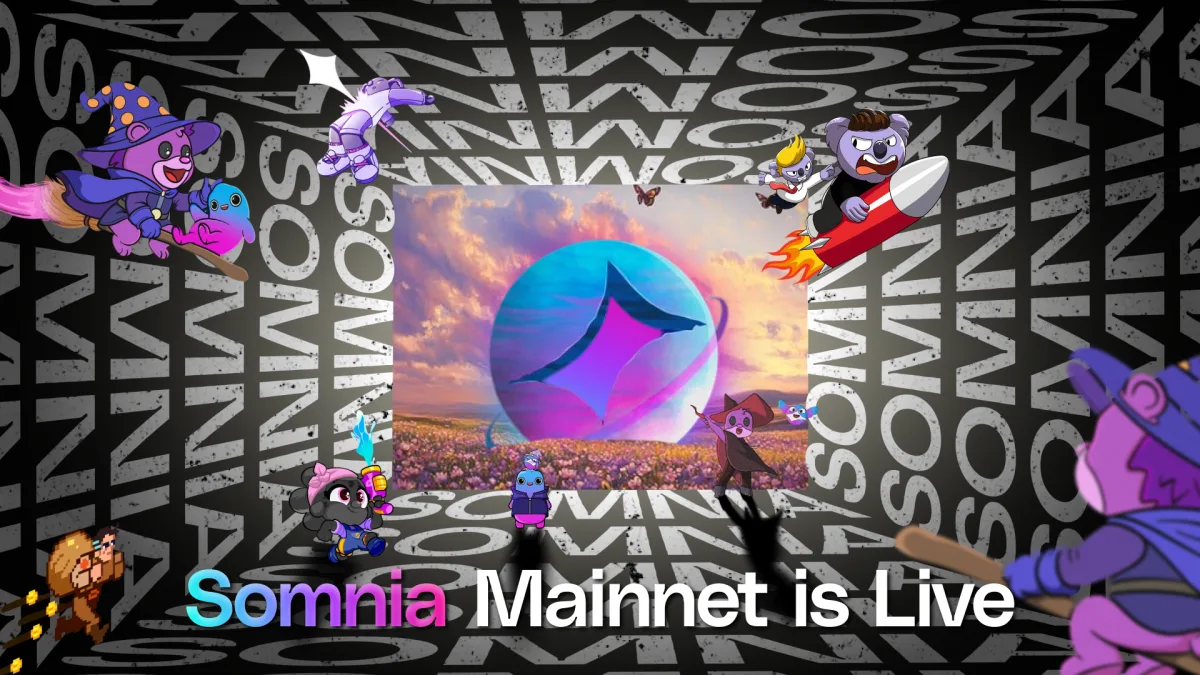
Somnia, a layer-1 blockchain compatible with Ethereum's tools and built by London-based Improbable, launched its mainnet and native SOMI token on September 2, 2025. The network was designed for consumer apps that generate huge numbers of small actions, such as multiplayer games, social platforms and fan experiences, rather than for payments alone.
Historical news event: 2025-09-02. Retrospective report prepared November 2026.
Improbable built the chain under contract for the Somnia Foundation, which owns and operates it. The company, best known in gaming for its SpatialOS technology, said the launch drew on a decade of work on large-scale distributed systems.
A performance-first pitch
Somnia's main selling point was speed. In its launch announcement, Improbable said the network could handle more than 1 million transactions per second with sub-second latency and fees below one cent. Engineers reached 1.05 million transactions per second in an earlier development network, Somnia's mainnet blog post said.
The company also reported big testnet numbers: more than 2 billion transactions over six months, more than 110 million wallet addresses, 60 validators and over 70 ecosystem partners, with a peak of about 80 million transactions in a single day. Somnia's own materials weren't consistent on the total, though. Some press releases and a later Somnia post cited more than 10 billion testnet transactions. All of these are company-reported figures from test conditions, and real-world throughput, uptime and decentralisation can only be judged once a network is under sustained load.
"Somnia's mainnet launch is an inflection point for real-world use cases of blockchains," Improbable founder and CEO Herman Narula said in the September 2 release.
What "fully onchain" games mean
Most blockchain games keep their gameplay on ordinary servers and use the chain only for items or tokens. Somnia argued it was fast enough to put the core game logic, state and assets onchain. The pitch was persistent worlds that keep running without a central server, in-game economies that react instantly to player activity, and loot drops or match results that players can verify for themselves.
The network also aimed to support open standards from MSquared, an Improbable-linked company, so avatars and items could move between virtual worlds.
At launch, the company listed more than 70 projects, including competitive action titles Sparkball and Maelstrom, the strategy game Masks of the Void, and games from its Dream Catalyst accelerator such as Netherak Demons and Dark Table CCG. Somnia also announced a $10 million developer grant programme and integrations with infrastructure providers including LayerZero, Thirdweb and OpenSea, plus enterprise partners Google Cloud, BitGo and Fireblocks.
"Somnia isn't just fast, it's the first chain built to handle the scale and complexity of next-generation consumer applications," founder Paul Thomas said in the same release.
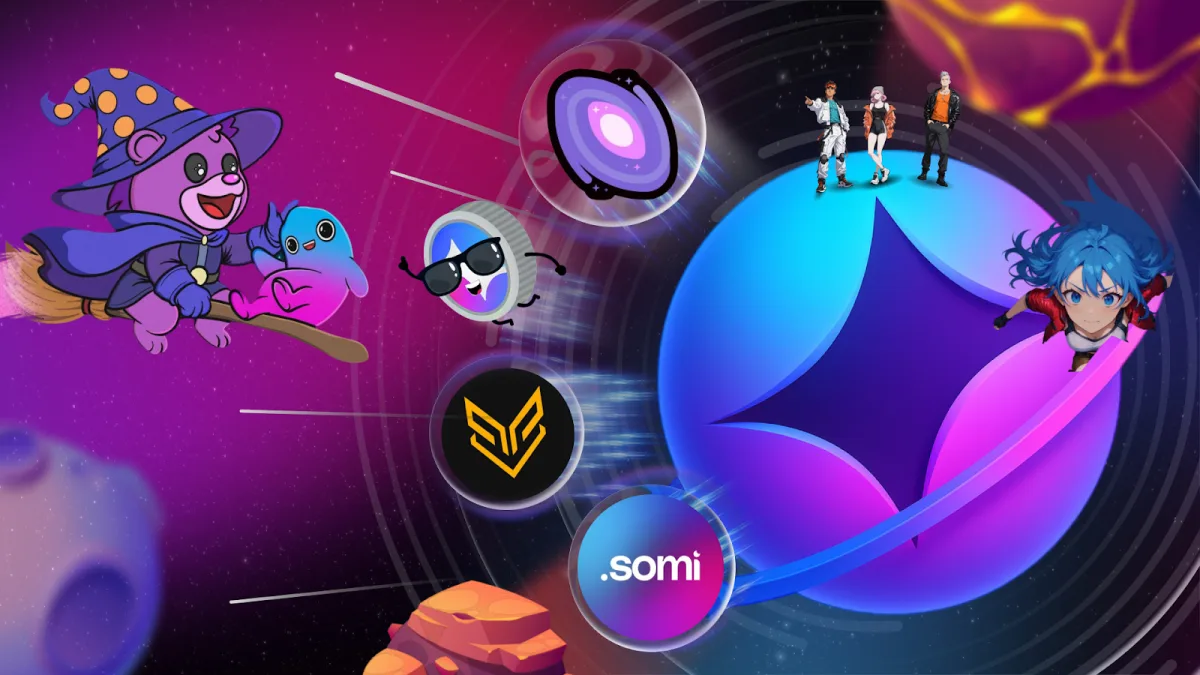
Image: Somnia
SOMI and the Somnia Odyssey
SOMI is the network's native token, used to pay fees and for staking. It's separate from any single game built on Somnia. The token began trading alongside the mainnet launch, and the foundation later said it had secured multiple major exchange listings in its first month.
A week after launch, on September 9, Somnia opened the Somnia Odyssey, a 60-day programme split into eight weekly chapters. Eligible community members unlocked 10% of their remaining airdrop allocation each week by completing missions across the ecosystem's apps, guided by the project's hedgehog mascot, the Flying Quillie. The required missions cost only standard network fees.
Campaigns like this can bring people in quickly. The harder question is whether they stay once the rewards end.
The first month, and the open question
In an October 2 update, Somnia said the mainnet had processed more than 800 million transactions in its first month. It launched staking, where half of all gas fees are burned and the other half go to validators and delegators, along with .somi names, a Stargate bridge to more than 55 chains and the Somnia Browser, a portal for wallets, staking and apps. Five new games went live in five weeks, the foundation said.
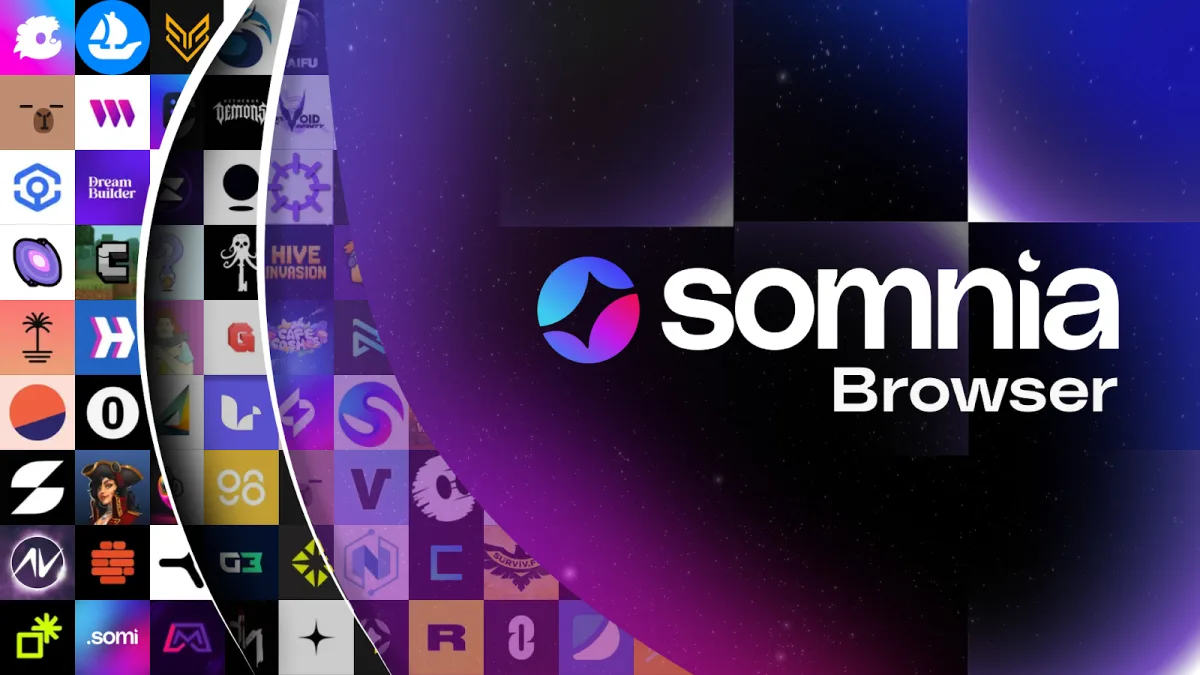
Image: Somnia
Those are early, self-reported numbers. Somnia was entering a crowded market of fast chains courting game studios, alongside gaming-focused networks such as Ronin, which had been planning its own expansion for blockchain games. It also launched into a tougher climate for consumer chains: a year later, Pudgy Penguins' Abstract network announced it would shut down after growth stalled.
Somnia's September 2 launch was an infrastructure story with gaming implications, not the release of a specific game. Its bet was that a chain fast enough for real-time play would attract developers. Whether enough players follow is the test every high-throughput network faces. For background on the longer-running promise, see our 2018 piece on how blockchain could change gaming.
Frequently asked questions
When did Somnia mainnet launch?
Somnia launched its mainnet and SOMI token on September 2, 2025, after a six-month testnet.
Who built Somnia?
Improbable built Somnia under contract for the Somnia Foundation, which owns and operates the network. Paul Thomas is Somnia's founder.
How fast is Somnia?
Improbable said the network supports more than 1 million transactions per second with sub-second latency and sub-cent fees. These are company figures from testing.
What is the SOMI token used for?
SOMI is Somnia's native token, used to pay network fees and for staking. Half of gas fees are burned and the rest go to validators and delegators.
What was the Somnia Odyssey?
The Somnia Odyssey was a 60-day programme that began on September 9, 2025, in which community members unlocked their airdrop allocations week by week by completing missions in Somnia apps.
Sources
- Improbable: Somnia launches mainnet after record-breaking testnet performance (September 2, 2025)
- Somnia: Mainnet goes live with record EVM throughput (September 2, 2025)
- Somnia: The Somnia Odyssey (September 9, 2025)
- Somnia: Somnia's first month on mainnet (October 2, 2025)
- Somnia press release via GlobeNewswire (September 2, 2025)
Featured image: Somnia
Frequently asked questions
When did Somnia mainnet launch?
Somnia launched its mainnet and SOMI token on September 2, 2025, after a six-month testnet.
Who built Somnia?
Improbable built Somnia under contract for the Somnia Foundation, which owns and operates the network. Paul Thomas is Somnia's founder.
How fast is Somnia?
Improbable said the network supports more than 1 million transactions per second with sub-second latency and sub-cent fees. These are company figures from testing.
What is the SOMI token used for?
SOMI is Somnia's native token, used to pay network fees and for staking. Half of gas fees are burned and the rest go to validators and delegators.
What was the Somnia Odyssey?
The Somnia Odyssey was a 60-day programme that began on September 9, 2025, in which community members unlocked their airdrop allocations week by week by completing missions in Somnia apps.
Last updated NOV 6, 2026