A collection of 8,888 cartoon penguins changed hands in early April 2022, when Los Angeles entrepreneur Luca Netz bought the Pudgy Penguins NFT project for 750 ETH, worth about $2.5 million at the time. CoinDesk reported the terms on Saturday, April 2, and Netz announced the deal on X just after midnight UTC on April 3. For an NFT market used to headlines about single-token auction prices, this was a different kind of story: control of a whole digital-character brand was being sold.
Historical news event: 2022-04-03. Retrospective report prepared November 2026.
The buyer group, led by Netz, took over the project and the royalties from future secondary sales, according to CoinDesk and Decrypt. Netz's own announcement was brief: "Looking forward to spreading love across the Meta," he wrote.
A collector revolt
The sale ended months of turmoil. Pudgy Penguins launched on Ethereum in July 2021 and quickly drew a devoted following, but holders grew frustrated with the four original founders. According to CoinDesk, the team had promised a children's book, a token and a metaverse game, and delivered none of them. A Christmas 2021 airdrop of companion NFTs that hatched into fishing rods, rather than the game many holders expected, made things worse.
In early January 2022, a large holder known as 9x9x9 published a thread alleging that the founders had drained the project's treasury and had offered to sell the project's shell to him for 888 ETH. The community then voted in a contentious Discord poll to remove the founding team, including its most visible co-founder, Cole Villemain, known online as ColeThereum. The collection's floor price fell to about 0.5 ETH afterwards, CoinDesk reported.
What followed was chaotic. Competing bids appeared, and some holders "wrapped" their penguins into a parallel collection that stopped paying royalties to the old team, a grassroots fork of the project. Netz had made his 750 ETH offer public in January, writing, according to Decrypt, "Make your move ColeThereum."
ColeThereum told Decrypt after the sale that he and the other three founders were no longer involved, and that the original team felt Netz had the connections and experience to take the project further. Not everyone was convinced. Decrypt noted that some community members questioned Netz's standing, since he hadn't been a well-known figure among holders before the deal.
Who Luca Netz was
Netz had built a dropshipping business before moving into NFTs, and he was a holder himself. He told CoinDesk he'd bought his first penguin for about 0.1 ETH the previous summer and that penguins had been his first NFT purchase.
He described his interest in emotional terms. "It's an interesting emotion to feel when looking at an NFT project," Netz told CoinDesk in early April 2022. "The collections that evoke emotion are the most powerful."
He also hinted at where he wanted to take the brand. CoinDesk reported that he declined to share roadmap details but pointed to at least one retail partnership, said a toy was an obvious step, and said a token that respected the law would come eventually, though not yet.
A brand is more than a token collection
In 2022, many NFTs were sold mainly as scarce images. Owning a penguin token gave a holder a traceable entry in a collection, but it didn't create a consumer business on its own. Toys, licensing, distribution and steady creative direction all need separate deals and practical work.
That's where Netz focused. The penguins' rounded shapes and expressive eyes suited products that could sit on a shelf or star in a short cartoon. Their gentle style stood apart from NFT projects built around exclusivity or deliberately abrasive internet humour.
Holders still needed clarity on commercial rights. Owning an NFT doesn't automatically mean owning the copyright in its artwork, and brands that work with collectors have to spell out which rights they license. Pudgy Penguins later published its own intellectual property terms for holders.
The turnaround
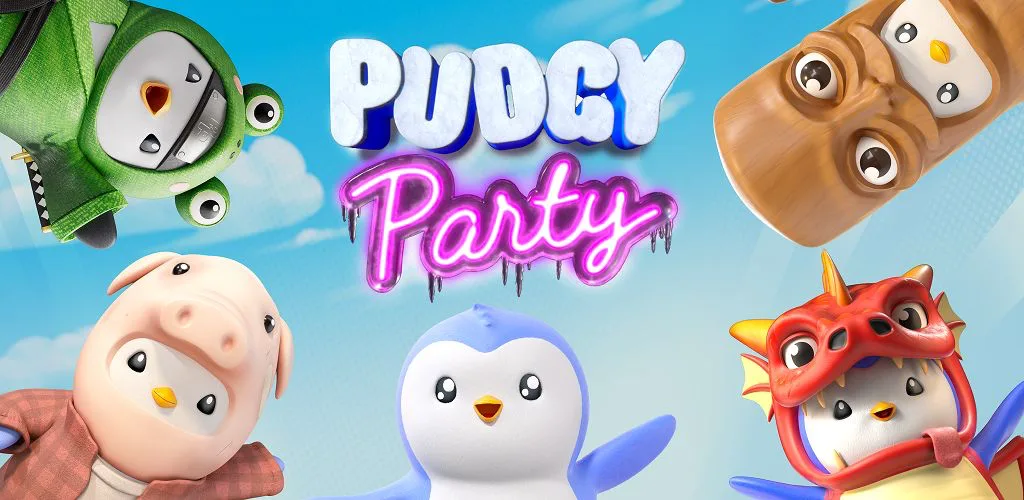
Image: Mythical Games
The change of ownership proved to be a turning point. In July 2022, Pudgy Penguins announced a toy deal with PMI Toys and invited holders to license their penguins for the line. By 2023, its plush toys had reached more than 2,000 Walmart stores. In December 2024, the brand launched the PENGU token on Solana, delivering, on Netz's terms, the token the old team had promised.
The business wasn't free of setbacks. Pudgy Party, the mobile game made with Mythical Games, launched in August 2025 and closed in June 2026. One unsuccessful game doesn't cancel out the broader shift from a speculative collection toward merchandise and entertainment, but it shows that brand recognition alone doesn't guarantee every product works.
The acquisition was never evidence that every Pudgy Penguin NFT would rise in value. It showed that an existing community, a memorable design and a clear licensing plan could make an NFT collection attractive to someone building a traditional consumer brand. April 2022 matters in NFT history for more than the price: it showed that a troubled digital project could change hands and attempt a real restart, with its success depending on execution rather than a marketplace chart.
Frequently asked questions
How much did Luca Netz pay for Pudgy Penguins?
Luca Netz's group paid 750 ETH for the Pudgy Penguins project in April 2022, worth about $2.5 million at the time, according to CoinDesk and Decrypt.
Why were the Pudgy Penguins founders removed?
In January 2022, holders voted in a Discord poll to remove the founding team after unkept roadmap promises and allegations that the project's treasury had been drained. The founders, including ColeThereum, later sold the project to Netz.
How many Pudgy Penguins NFTs are there?
The Pudgy Penguins collection has 8,888 NFTs on the Ethereum blockchain. It launched in July 2021.
What did Pudgy Penguins do after the acquisition?
Under Netz, Pudgy Penguins moved into toys, retail, media and games. It signed a toy deal with PMI Toys in 2022, sold plush toys in Walmart stores in 2023 and launched the PENGU token on Solana in December 2024.
Sources
- Luca Netz on X, acquisition announcement (April 3, 2022 UTC)
- CoinDesk, "Pudgy Penguins NFT Collection Looks to Next Chapter With $2.5M Sale" (April 2, 2022)
- Decrypt, "Pudgy Penguins Ethereum NFT Collection Sold to Netz Capital for $2.5 Million" (April 3, 2022)
- Fat Cats DAO, Pudgy Penguins report (June 2023)
- Decrypt, Pudgy Party shutdown report (June 15, 2026)
Featured image: Yfjr / Wikimedia Commons, public domain
Frequently asked questions
How much did Luca Netz pay for Pudgy Penguins?
Luca Netz's group paid 750 ETH for the Pudgy Penguins project in April 2022, worth about $2.5 million at the time, according to CoinDesk and Decrypt.
Why were the Pudgy Penguins founders removed?
In January 2022, holders voted in a Discord poll to remove the founding team after unkept roadmap promises and allegations that the project's treasury had been drained. The founders, including ColeThereum, later sold the project to Netz.
How many Pudgy Penguins NFTs are there?
The Pudgy Penguins collection has 8,888 NFTs on the Ethereum blockchain. It launched in July 2021.
What did Pudgy Penguins do after the acquisition?
Under Netz, Pudgy Penguins moved into toys, retail, media and games. It signed a toy deal with PMI Toys in 2022, sold plush toys in Walmart stores in 2023 and launched the PENGU token on Solana in December 2024.
Last updated NOV 9, 2026