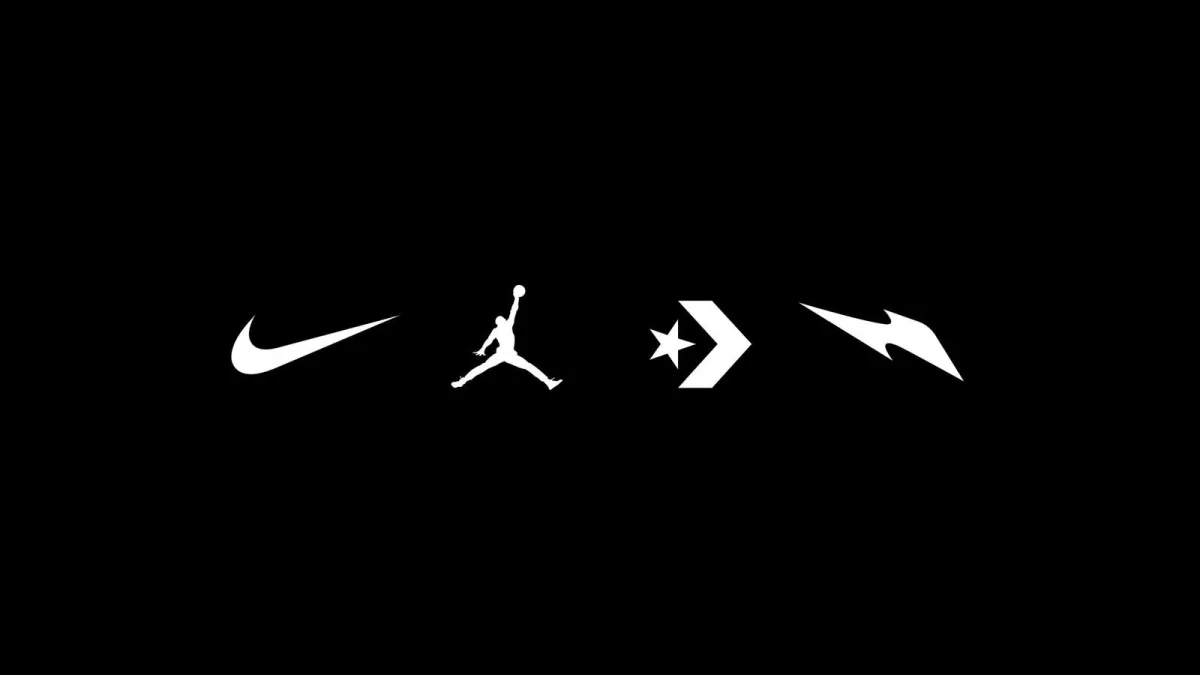
Nike made one of the biggest brand moves of the NFT boom on December 13, 2021, when it announced it had acquired RTFKT, pronounced "artifact", a studio known for virtual sneakers, digital collectibles and designs that blurred gaming and fashion. Nike didn't disclose the price. The deal signaled that the world's largest sportswear company saw digital objects as part of its design business, not a passing internet trend.
Historical news event: December 13, 2021. Retrospective report prepared November 2026.
Who RTFKT were
RTFKT was founded in 2020 by Benoit Pagotto, Chris Le and Steven Vasilev. Nike's announcement described a team using "game engines, NFTs, blockchain authentication and augmented reality" to make one-of-a-kind virtual products. In practice that meant futuristic sneakers that existed mainly as 3D files, animated avatars, and limited drops where an NFT on Ethereum served as the proof of ownership. Some digital designs also came with physical counterparts.
Weeks before the deal, RTFKT had released CloneX, a collection of 3D avatars made with Japanese artist Takashi Murakami. That collection, and the studio's habit of turning drops into community events, gave Nike both a design lab and a ready-made fan base.
What Nike said it was buying
Nike's chief executive at the time, John Donahoe, framed the purchase as part of the company's push into digital channels. "This acquisition is another step that accelerates Nike's digital transformation and allows us to serve athletes and creators at the intersection of sport, creativity, gaming and culture," he said in the December 13 release. Nike said it planned to invest in the RTFKT brand and grow its community.
RTFKT co-founder Benoit Pagotto described Nike as "the only brand in the world that shares the deep passion we all have for innovation, creativity and community," adding that the team was excited to grow a brand "which was fully formed in the metaverse."
The terms weren't disclosed, and that matters. Later estimates of the price circulated widely, but none were confirmed by either company.
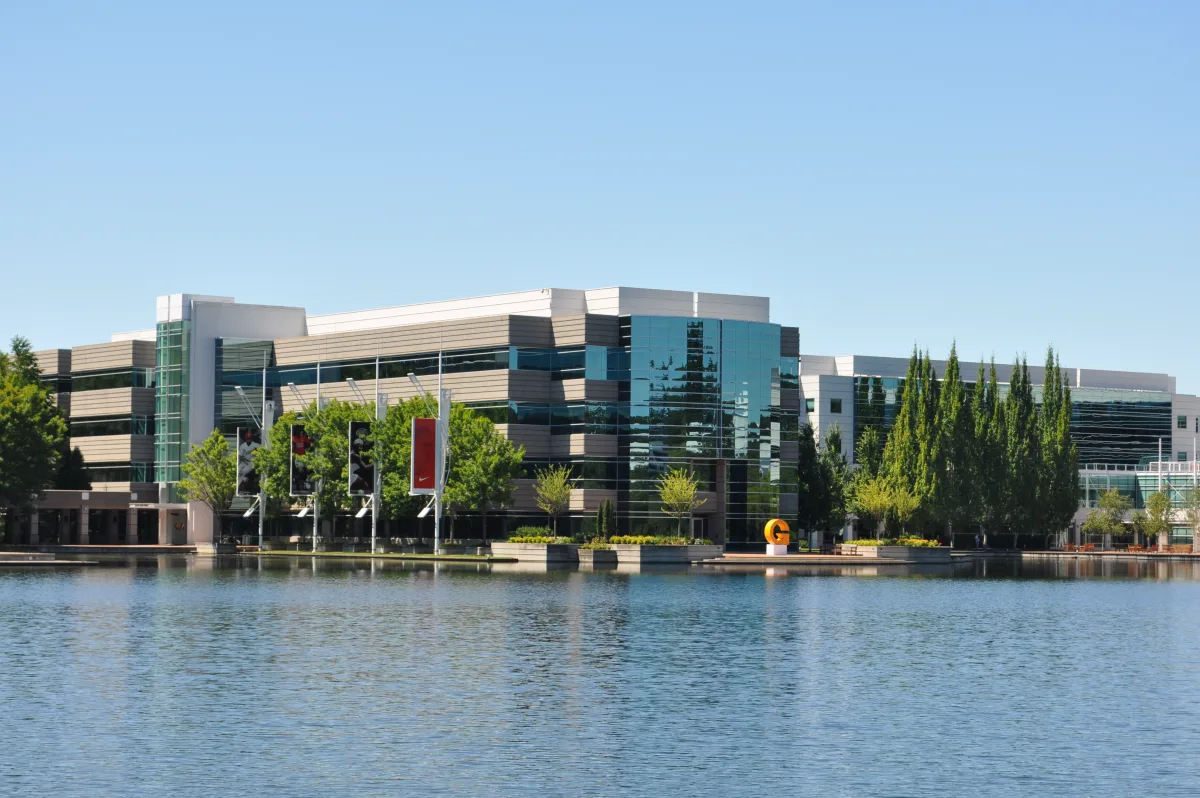
Photo: Brandon Carson / Wikimedia Commons, CC BY 2.0
What buyers could actually own
The deal raised a basic question for any brand selling digital goods. Would someone buy a virtual sneaker because it looked great, because it worked in a game, because it came with a collectible certificate, or because they expected the price to rise? Those motives can overlap, but they create very different expectations.
An NFT recorded who held a token on a blockchain. It didn't guarantee that a sneaker would work in every game, that Nike would keep running the services around it, or that a buyer owned commercial rights to the artwork. Those details lived in each drop's terms, not on the blockchain. For readers newer to the topic, our explainer on the difference between coins and tokens covers the basics of what a token is.
Nike wasn't the only big brand testing these ideas. Retailers and consumer companies ran their own experiments in the following year, from GameStop's NFT marketplace to Starbucks' Odyssey loyalty beta, and both of those were later shut down as well.
The later outcome
RTFKT's run under Nike lasted about three years. The studio released more drops in 2022, including CryptoKicks sneakers tied to its earlier MNLTH collectible, and Nike launched its own .SWOOSH platform for virtual products. But on December 2, 2024, RTFKT said on X that it would wind down operations in January 2025, as Nike reassessed its priorities, The Block reported.
The shutdown led to legal action. In April 2025, a group of buyers filed a proposed class action against Nike in federal court in New York, seeking more than $5 million and arguing, among other claims, that the NFTs were unregistered securities. In January 2026, the court granted Nike's motion to send the dispute to arbitration, according to Nike's law firm DLA Piper. The claims are allegations and haven't been proven.
A wind-down is a business outcome, and on its own isn't evidence of fraud. Seen from late 2026, the RTFKT purchase is a useful case study: a global brand validated digital sneakers as a creative category, then found the operating model didn't fit its priorities. Other NFT studios have changed hands since, such as Yuga Labs' purchase of Moonbirds creator Proof, with similar questions about what owners can expect when a brand's strategy shifts.
Frequently asked questions
When did Nike buy RTFKT?
Nike announced the acquisition of RTFKT on December 13, 2021.
How much did Nike pay for RTFKT?
Nike didn't disclose the price. Figures that circulated afterward were estimates, not confirmed terms.
What was RTFKT known for?
RTFKT made virtual sneakers, 3D avatars such as the CloneX collection with Takashi Murakami, and other digital collectibles, using NFTs on Ethereum as proof of ownership.
Is RTFKT still operating?
No. RTFKT announced on December 2, 2024 that it would wind down operations in January 2025.
Did RTFKT NFT buyers sue Nike?
Yes. A proposed class action was filed in New York in April 2025. In January 2026, a court sent the dispute to arbitration, according to Nike's lawyers.
Sources
- Nike: Nike acquires RTFKT (December 13, 2021)
- The Block: Nike faces $5 million class action lawsuit over shutdown of NFT arm RTFKT (April 28, 2025)
- Sports Business Journal: Nike's RTFKT ceasing operations (December 2024)
- DLA Piper: Ruling for Nike in NFT class action (January 2026)
Featured image: Nike
Your questions answered
When did Nike buy RTFKT?
Nike announced the acquisition of RTFKT on December 13, 2021.
How much did Nike pay for RTFKT?
Nike didn't disclose the price. Figures that circulated afterward were estimates, not confirmed terms.
What was RTFKT known for?
RTFKT made virtual sneakers, 3D avatars such as the CloneX collection with Takashi Murakami, and other digital collectibles, using NFTs on Ethereum as proof of ownership.
Is RTFKT still operating?
No. RTFKT announced on December 2, 2024 that it would wind down operations in January 2025.
Did RTFKT NFT buyers sue Nike?
Yes. A proposed class action was filed in New York in April 2025. In January 2026, a court sent the dispute to arbitration, according to Nike's lawyers.
Last updated NOV 21, 2026