A glowing stone became one of the biggest events in Bitcoin's young digital-art scene in March 2024. On March 14, the Runestone project began sending free Ordinals inscriptions to more than 112,000 Bitcoin wallets, a collectible meant to reward people who had used Ordinals in its first year. The distribution ran in batches over about two days.
Historical news event: March 14, 2024. Retrospective report prepared November 2026.
Ordinals, launched in early 2023, let people attach images and other content to individual satoshis, the smallest unit of bitcoin, so digital art can live directly on the Bitcoin blockchain. Our sibling report on how Ordinals turned satoshis into collectibles explains the system, and readers new to the network can start with our guide to the basics of Bitcoin.
Who was behind Runestone
The project was coordinated by Leonidas, a pseudonymous NFT historian who had become one of the best-known voices in Ordinals. He described it as a volunteer effort with no company behind it, no team allocation and no pre-sale, as Decrypt reported when the drop began.
Contemporary reporting put the total at 112,383 Runestones. Eligible wallets were picked from past Ordinals activity, not through a new public mint. Leonidas said the open-source eligibility formula "was designed to not favor whales," meaning large holders didn't get extra weight, according to an earlier Decrypt report from March 7, 2024.
The art and the record-size inscription
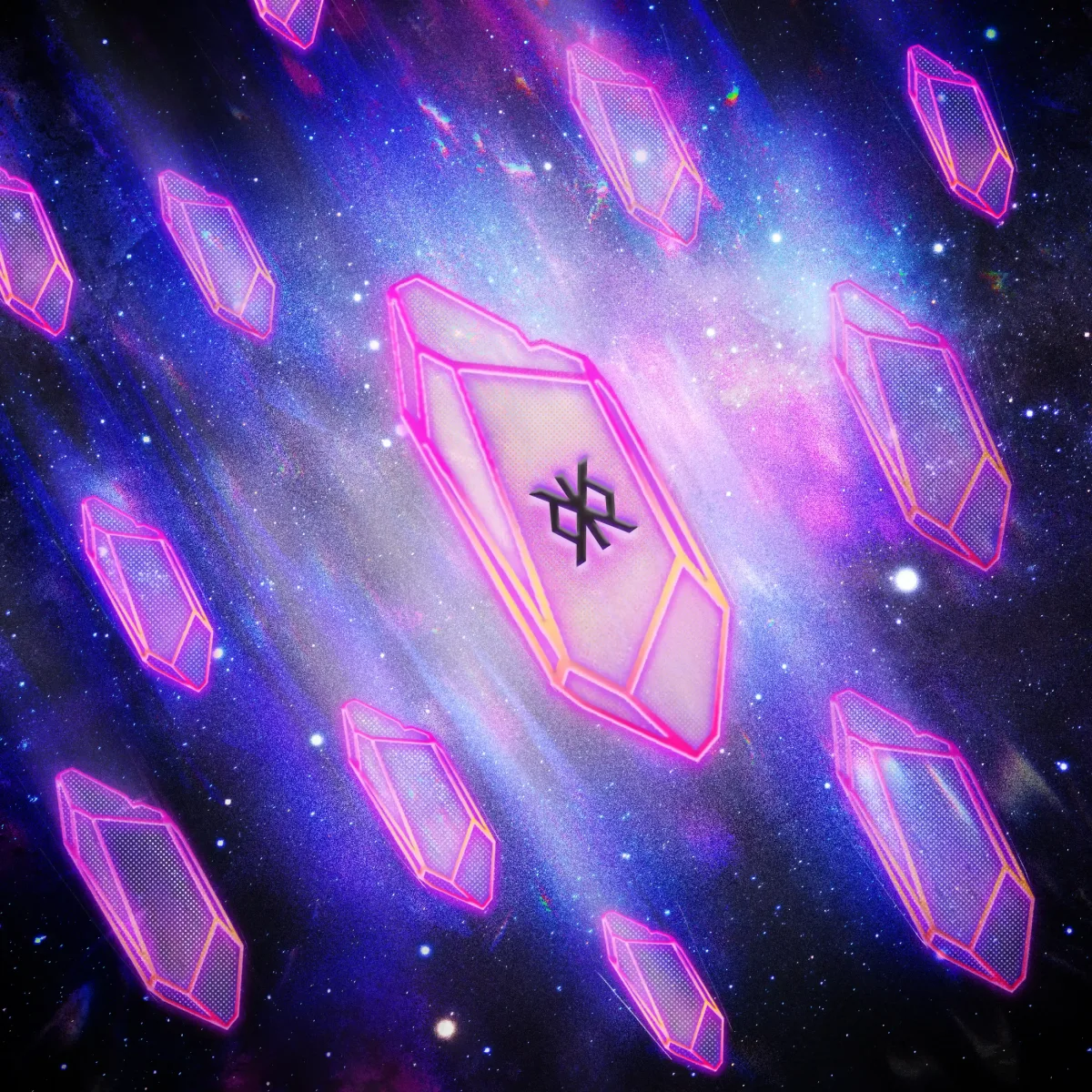
The image at the center of the project was created by French artist Léo Caillard, best known for classical marble sculptures dressed in modern clothes. Leonidas said Caillard donated the Runestone image to the project under a Creative Commons licence, which encouraged other artists to remix it. Leonidas framed the image in grand terms a week before the drop. "[Runestone] symbolizes the enduring desire of humanity to make marks that last beyond their lifetimes and to communicate with future generations," he said, as quoted by Decrypt on March 7, 2024. An Ordinals marketplace, Gamma, even ran a Runestone-inspired art challenge later in March.

Photo: Beangèle / Wikimedia Commons, CC BY-SA 4.0
The Runestone also set a technical record. Its main inscription, about 3.97 megabytes, was the largest Ordinals inscription by size at the time. It was inscribed by bitcoin miner Marathon Digital working with the service OrdinalsBot, in block 832,947, which itself set a record at 3,991,547 bytes, Decrypt reported. The airdropped Runestones pointed back to that main inscription rather than each copying the full image, which kept the cost of sending more than 112,000 of them manageable.
Before the drop, one copy of the main inscription was sold at auction to help pay network fees. It sold for 8 BTC, about $573,000 at the time, according to Decrypt.
How the airdrop worked
The distribution was unusual. Instead of one smart contract on a programmable chain, as with many Ethereum NFT drops, Runestones were sent in batches of ordinary Bitcoin transactions to qualifying addresses. Decrypt reported 81 batches over roughly 48 hours. Recipients could check their wallets on Ordinals explorers as the batches confirmed.
For background on how token giveaways have worked across crypto, see our earlier comparison of airdrop apps.
Collectible first, then a Runes token
Leonidas had described Runestone as art and a record of participation, not a promise of income. But he had also said a fungible token would follow. The Runes protocol, created by Ordinals founder Casey Rodarmor, went live at block 840,000, the April 2024 Bitcoin halving, and Leonidas said Runestone holders would receive a Runes token in proportion to how many Runestones they held.
That token arrived on April 24, 2024. DOG•GO•TO•THE•MOON, known as DOG, was airdropped to Runestone holders and immediately became the most widely held Runes token, Decrypt reported, reaching a market value of about $336 million that day. The token and the original inscription are separate things, and the original art carried no promise of returns.
Runestone showed that NFTs on Bitcoin could develop their own style: openly licensed art, volunteer organization and a direct tie to the network's history. Debates over openly licensed NFT art were already running on Ethereum, as in Moonbirds' move to CC0. The stone became an emblem for the people experimenting with art on Bitcoin.
Frequently asked questions
When was the Runestone airdrop?
The Runestone airdrop began late on March 14, 2024 and was sent in batches over about two days.
How many Runestones were airdropped?
Reports put the total at 112,383 Runestones, sent to more than 112,000 Bitcoin addresses.
Who created the Runestone art?
French artist Léo Caillard created the Runestone image and donated it to the project under a Creative Commons licence, according to Leonidas.
How did people qualify for a Runestone?
Eligibility was based on past Ordinals activity, using an open-source formula. There was no public mint, team allocation or pre-sale.
What is the connection between Runestone and the DOG token?
Runestone holders received the DOG•GO•TO•THE•MOON Runes token in an airdrop on April 24, 2024, in proportion to how many Runestones they held.
Sources
- Decrypt: Bitcoin Ordinals Runestones are being airdropped (March 15, 2024)
- Decrypt: Runestone auction ahead of airdrop (March 7, 2024)
- Decrypt: Bitcoin meme coin DOG hits $336 million market cap after Runes airdrop (April 24, 2024)
- Gamma: Let There Be Runestones art challenge (March 22, 2024)
- Ordinals documentation: Runes
Featured image: Runestone artwork by Léo Caillard, donated to the Runestone project under a Creative Commons licence
Your questions answered
When was the Runestone airdrop?
The Runestone airdrop began late on March 14, 2024 and was sent in batches over about two days.
How many Runestones were airdropped?
Reports put the total at 112,383 Runestones, sent to more than 112,000 Bitcoin addresses.
Who created the Runestone art?
French artist Léo Caillard created the Runestone image and donated it to the project under a Creative Commons licence, according to Leonidas.
How did people qualify for a Runestone?
Eligibility was based on past Ordinals activity, using an open-source formula. There was no public mint, team allocation or pre-sale.
What is the connection between Runestone and the DOG token?
Runestone holders received the DOG•GO•TO•THE•MOON Runes token in an airdrop on April 24, 2024, in proportion to how many Runestones they held.
Last updated NOV 23, 2026