A company best known for getting millions of people to tend digital farms put a different kind of virtual ownership to the test in 2023. Zynga, the mobile publisher behind FarmVille and a label of Take-Two Interactive, announced Sugartown on August 14, 2023 as its first Web3 game and platform. It brought one of mobile gaming's biggest names into a field mostly led by smaller crypto-native studios.
Historical news event: August 14, 2023. Retrospective report prepared November 2026.
Zynga called it the first Web3 game built from the ground up by a major mobile developer. The game had first surfaced through a Twitter and Discord campaign in January 2023, but the August announcement was the formal launch of the project.
A whimsical setup, not a wallet pitch
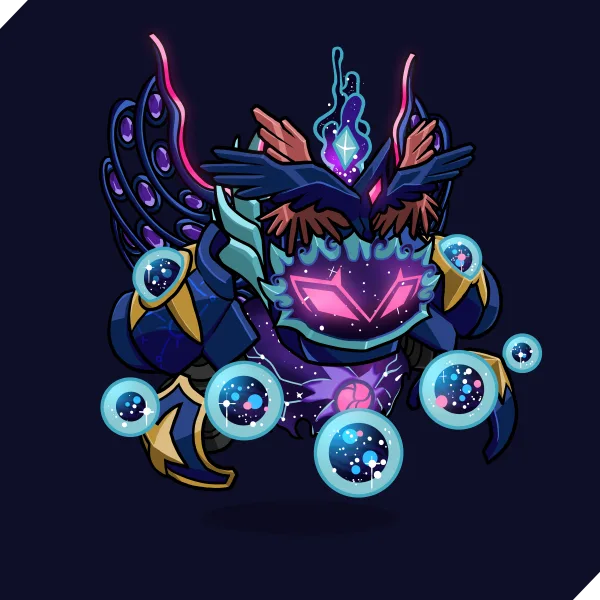
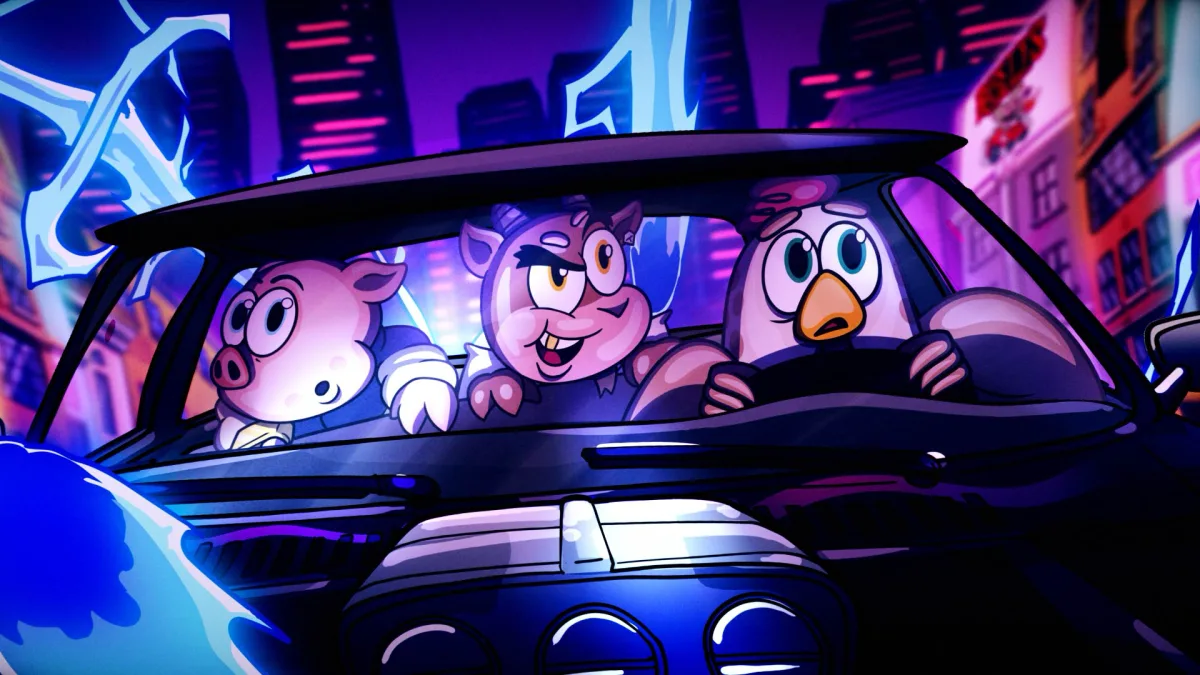
Sugartown's premise was deliberately silly. While building a new game in their secret lair, three farm animals accidentally open a wormhole, letting strange beings called Oras cross into Sugartown from another dimension. Zynga described the Oras as "the essence of lives players lose while gaming," who build the world so players can play.
That playful framing mattered. Instead of presenting a token as the entertainment, Zynga offered a recognizable cartoon world with characters and a story, with ownership features working behind the scenes.
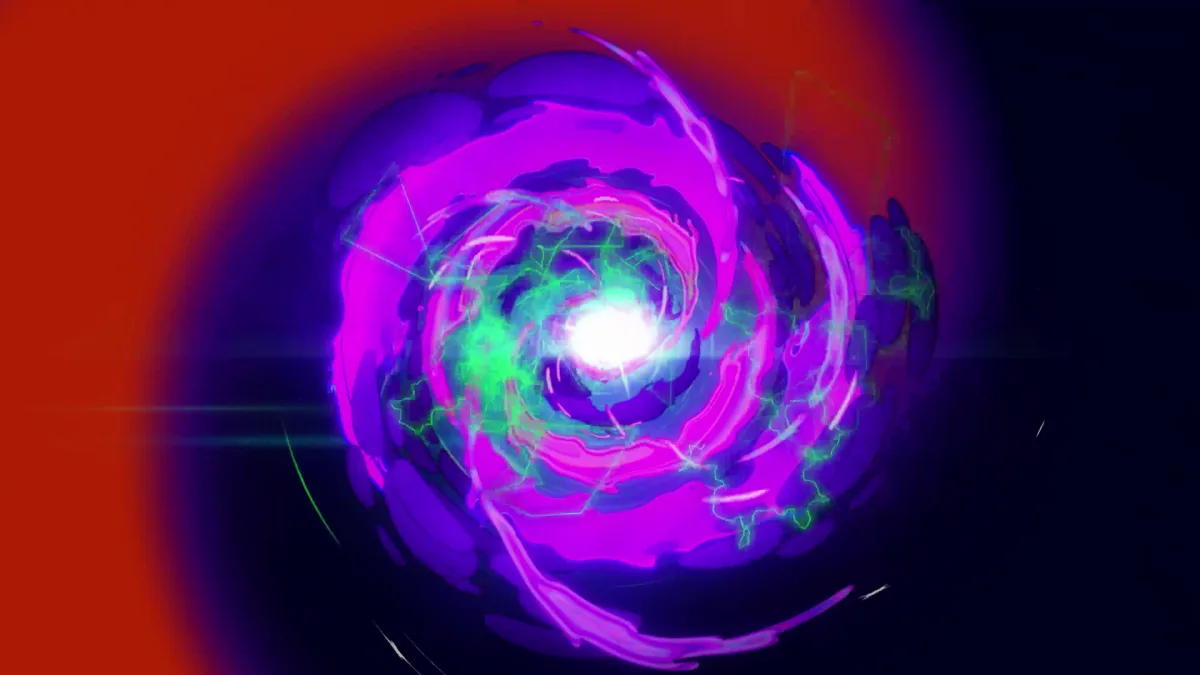
Image: Sugartown / Zynga, from the official Sugartown site (archived)
How the Ora pass was meant to work
The gateway was a collection of Ora NFTs on Ethereum, using the ERC-721 standard as proof of ownership. Holding an Ora was required to play Sugartown's free minigames. Zynga said players could stake an Ora to earn energy, spend that energy playing games, and earn Sugar, an in-game currency that unlocked more rewards. It said minting would begin later in 2023, with the first 10,000 Oras free to mint.
These were design plans announced during development, not proof that every system was live on August 14. Zynga said the game would "evolve over time" for its community of holders and players.
Matt Wolf, Zynga's vice president of Web3, framed the project as a long-term bet. "Our ambition is to empower players through a sustainable Web3 platform full of fun and enduring games," he said in the announcement. He added that Zynga built Sugartown "to appeal to a native Web3 market but with the ambition of scaling much wider over time."
Why Zynga brought in Forte
Zynga partnered with Forte, a company that builds compliance and economic tools for blockchain games. That was a notable choice after 2022, when token crashes and exchange collapses had damaged trust in crypto gaming.
"As Web3 rapidly grows and evolves, it's challenging to keep up with the shifting regulatory landscape and ensure that game economies operate in an ethical, compliant manner," said Catherine Mylinh, Forte's chief growth officer, in the same release.
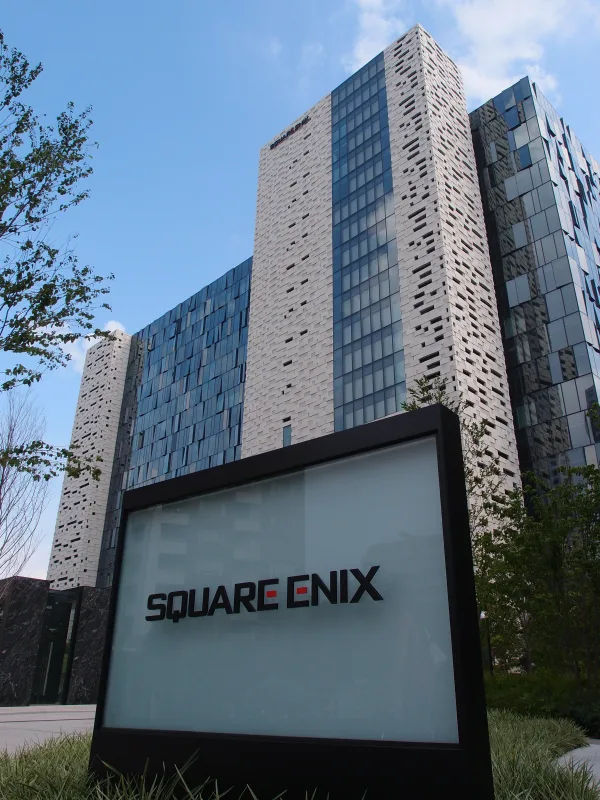
The appeal was clear: a conventional mobile studio could bring stronger game design and more caution to experiments with tokenized access and rewards. Zynga wasn't alone. Other large publishers were testing blockchain distribution around the same time, such as Square Enix's partnership with Elixir Games, while earlier tests like Ubisoft Quartz had already met resistance from players.
What happened afterward
Sugartown changed hands rather than simply disappearing. In September 2024, Decrypt reported that members of Zynga's Web3 team had spun out into a new company, D20 Labs, founded by Matt Wolf and former Web3 general manager Tommy Ngo. A Zynga spokesperson told Decrypt that D20 "has taken full ownership of the Sugartown game and IP from Zynga." Zynga made no public announcement and declined to comment on its wider Web3 plans. Two minigames, ATH and NGMI, had been released by then, and D20 announced a new social poker game on Coinbase's Base network.
The story ended in 2026. In July, D20 Labs said it would shut down all Sugartown services, according to PocketGamer.biz. It said losing a technical dependency from a partner in late 2024 had kept several finished games from launching, and it pointed to falling demand for blockchain games. D20 said it planned to release Sugartown's IP, including unreleased games and assets, to the community at no cost, and that existing NFTs would stay in holders' wallets.
That later history shouldn't be pinned on Zynga itself, which had exited two years earlier. Another FarmVille veteran, Amitt Mahajan, followed a similar path with his own onchain game studio, which shut down in August 2026 and open-sourced its code.
For the wider industry, the most important part of the 2023 announcement wasn't the NFT count. It was a test of whether an established game maker could make blockchain features feel like one part of a colorful, playable world. Sugartown's sale and closure show how hard it was to turn that experiment into a lasting business. For earlier context on the idea, see our 2018 look at how blockchain could change gaming.
Frequently asked questions
When did Zynga announce Sugartown?
Zynga announced Sugartown on August 14, 2023, describing it as its first Web3 game and platform.
What blockchain was Sugartown built on?
Sugartown was built on Ethereum, with Ora NFTs using the ERC-721 standard as the access pass.
What were Oras in Sugartown?
Oras were NFT characters that served as the entry pass to Sugartown. Holders could stake them to earn energy for playing minigames, and Zynga said the first 10,000 would be free to mint.
Who owns Sugartown now?
Zynga handed Sugartown to D20 Labs, a company founded by former Zynga Web3 staff, in 2024. D20 Labs announced in July 2026 that it would shut down Sugartown's services and release its IP to the community.
Sources
- Zynga: Zynga announces Sugartown, its first Web3 game and platform (August 14, 2023)
- Decrypt: Zynga's crypto gaming team spun out and revealed a new game (September 16, 2024)
- PocketGamer.biz: D20 Labs to shut down Sugartown (July 10, 2026)
- Sugartown official site (archived, October 2023)
Featured image: Sugartown / Zynga, from the official Sugartown site (archived)
Your questions answered
When did Zynga announce Sugartown?
Zynga announced Sugartown on August 14, 2023, describing it as its first Web3 game and platform.
What blockchain was Sugartown built on?
Sugartown was built on Ethereum, with Ora NFTs using the ERC-721 standard as the access pass.
What were Oras in Sugartown?
Oras were NFT characters that served as the entry pass to Sugartown. Holders could stake them to earn energy for playing minigames, and Zynga said the first 10,000 would be free to mint.
Who owns Sugartown now?
Zynga handed Sugartown to D20 Labs, a company founded by former Zynga Web3 staff, in 2024. D20 Labs announced in July 2026 that it would shut down Sugartown's services and release its IP to the community.
Last updated NOV 21, 2026